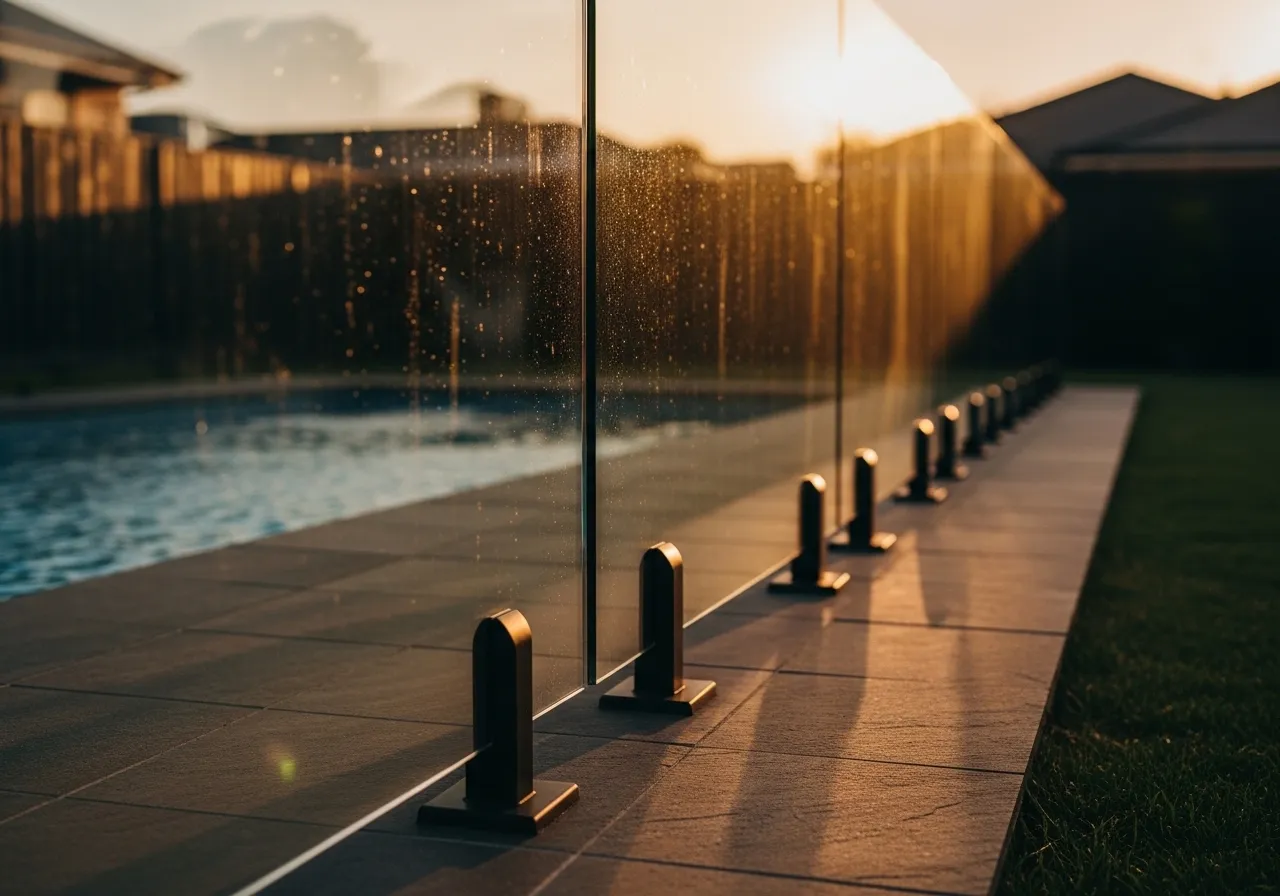
How to Register a Pool
in Victoria
Every pool and spa that holds more than 300mm of water has to be registered with the council and its barrier certified on a repeating cycle. Here is the process, in order.
What Victorian pool owners have to do
If your property has a swimming pool or spa capable of holding more than 300mm of water, you must register it with your local council. That includes in-ground and above-ground pools, spas, and some portable and inflatable pools that meet the depth threshold.
Registration is step one. Step two is having the safety barrier inspected against the standard that applied when the pool was built, and lodging a certificate of barrier compliance with the council. That certificate then has to be renewed on a repeating cycle rather than once.
The standard your barrier is measured against depends on when the pool was constructed. Older pools are assessed against the rules in force at the time, not against today's standard, which is why an old barrier can still pass.
Fees, forms and the exact lodgement cycle are set by your council and by the state regulations, and they change. Get the current requirement from your council rather than from any article, including this one.
Which pools and spas are caught
The trigger is the depth of water it can hold, not the type of structure or whether it is currently full.
| Type | Registration required? | Worth knowing |
|---|---|---|
| In-ground swimming pool | Yes | The standard case |
| Above-ground pool | Yes | The pool wall itself may form part of the barrier |
| Spa or hot tub | Yes, over 300mm | A lockable hard cover may be relevant, check with council |
| Portable or inflatable pool | Yes, if over 300mm | Catches a lot of owners out. Depth is the test |
| Indoor pool | Yes | Barrier requirements still apply |
| Pool currently empty or out of use | Yes | Capability to hold water is the test, not current state |
| Decommissioned and filled in | No | Tell the council so the register is corrected |
General information for Victorian property owners, current at the date of last review. It is not legal advice and it does not cover every situation. Rules vary between councils and the legislation changes, so confirm the detail with your council or a lawyer before you rely on it for a dispute.
From unregistered to certified
 1
Register with your council
Lodge the registration with the council for the property. You will need the pool or spa location and, where you know it, the construction date, because that determines which barrier standard applies.
 2
Find out which standard applies
The barrier is assessed against the rules in force when the pool was built. The council will confirm which applies from the construction date. An older barrier is not automatically non-compliant.
 3
Have the barrier inspected
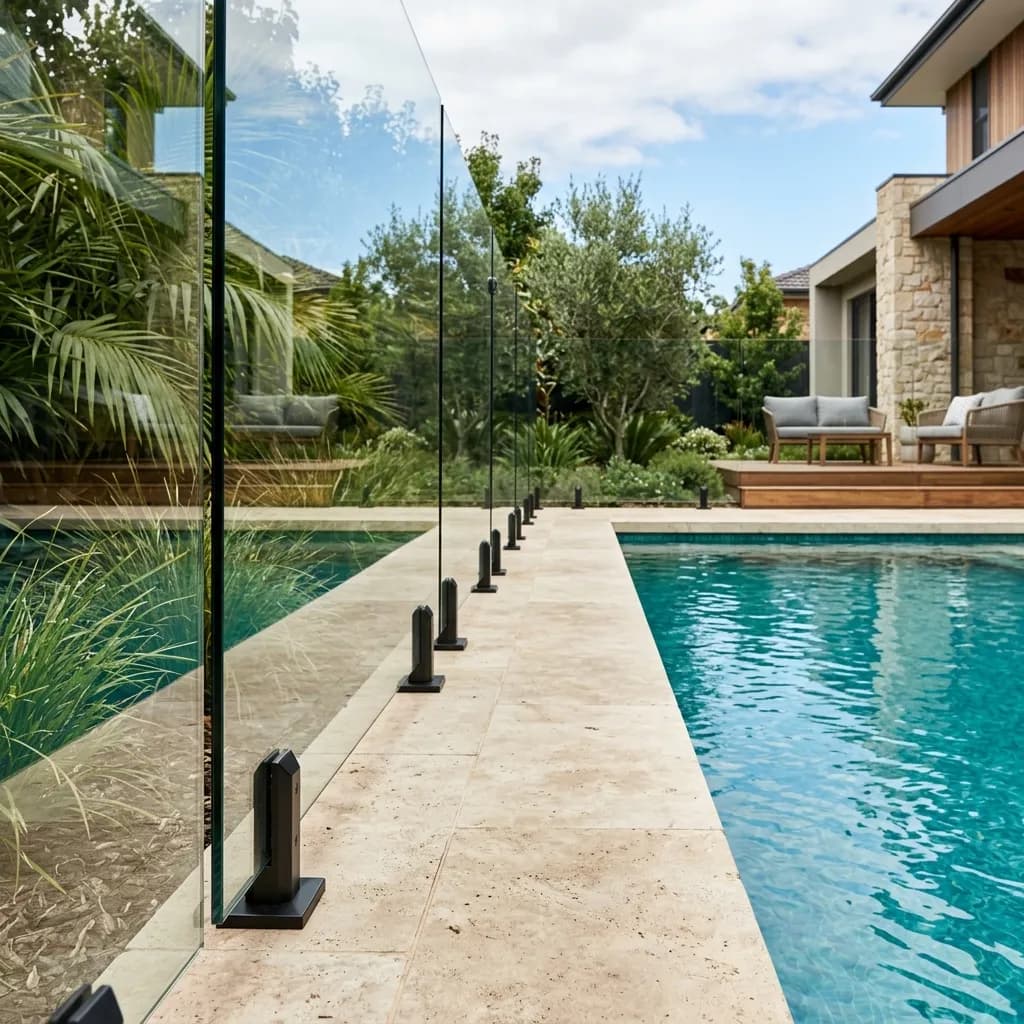
A registered building surveyor or inspector assesses the barrier: heights, gaps, the gate, and the non-climbable zone. This is where most pools find out what needs fixing.
 4
Fix whatever failed
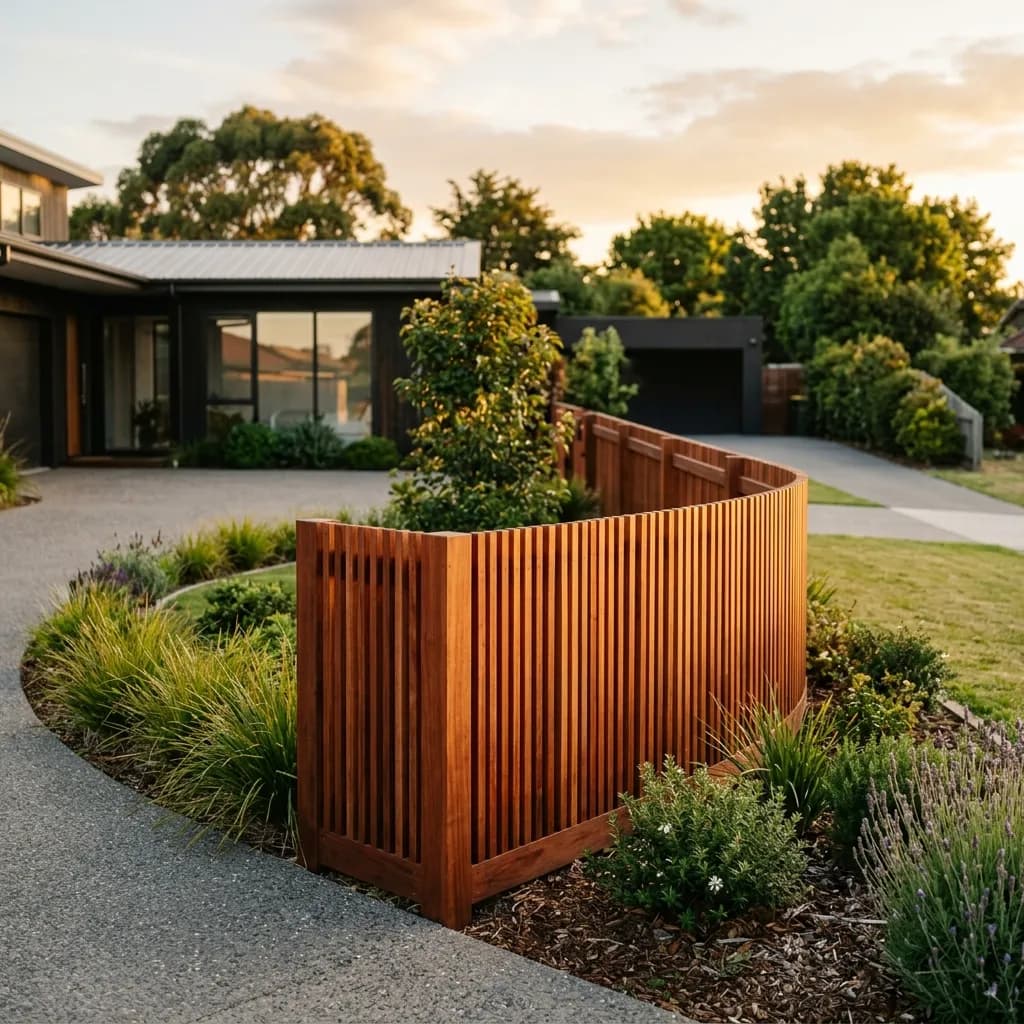
Usually the gate, a gap, or something climbable near the barrier. Occasionally a section of barrier has to move. Remediation has to be done before a certificate can be issued.
 5
Lodge the certificate, then diarise it
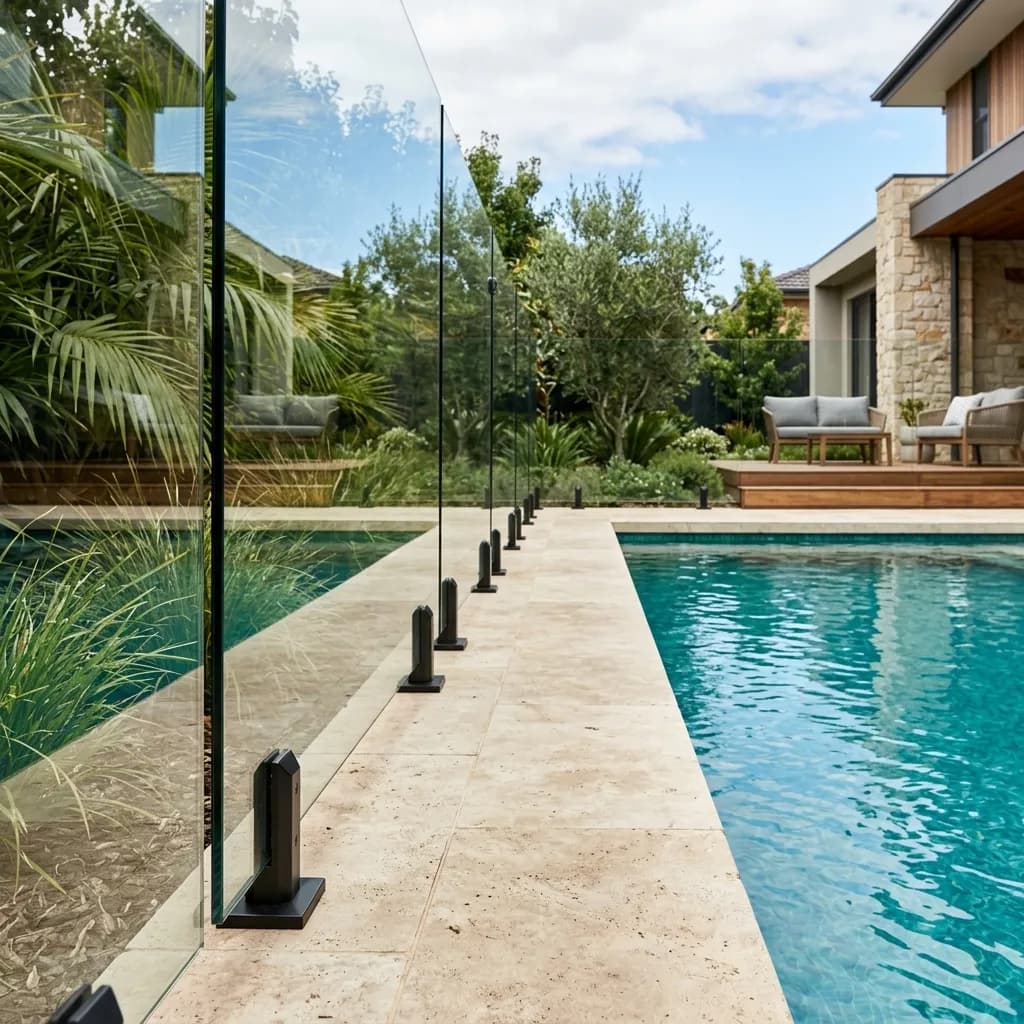
Lodge the certificate of barrier compliance with the council. Put the next renewal in a calendar the day you lodge, because the obligation repeats and councils do not always remind you.
Four things that cost people money
These are the patterns we see when someone calls us after a council letter or a failed inspection.
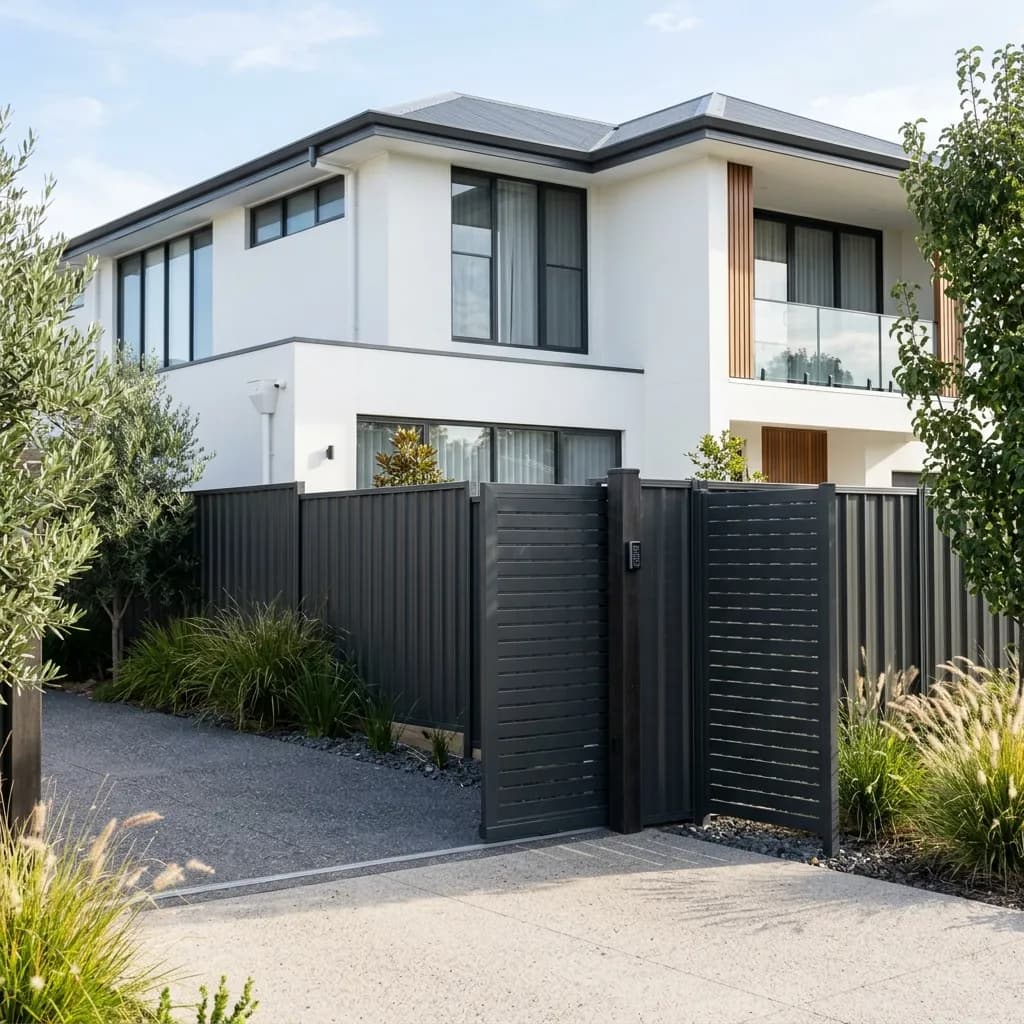
Registering is not the same as certifying
A lot of owners register the pool, think they are done, and never lodge a certificate of barrier compliance. Both parts are required, and the second one repeats.
Assuming a spa does not count
The trigger is water depth, not whether you think of it as a pool. Spas and larger portable pools are routinely unregistered, and owners are genuinely surprised to learn they were caught.
Expecting the barrier to be the problem
It rarely is. Inspections fail on gates that no longer self-close and self-latch from every position, and on climbable objects near the barrier. Both are cheaper to fix than a fence.
Treating certification as one-off
The certificate has to be renewed on a cycle. Diarise the next one the day you lodge, because a lapsed certificate is a penalty exposure even where the barrier is still perfectly compliant.
Buying a pool without checking
Compliance transfers with the property. Check registration and the current certificate before settlement, because after it the remediation bill is yours.
We inspect, remediate and certify
Pool compliance across Melbourne
Bayside
Known for Bayside, Glen Eira and Port Phillip councils.
Pool registration questions
What Victorian owners ask, usually after a letter from the council.
Ask us about your poolYes, if it can hold more than 300mm of water. That covers in-ground and above-ground pools, spas, and portable pools that meet the depth. Registration is with the council for the property.
Related guides
Non-Climbable Zone Rules
The clearance requirement that fails more pools than the barrier does.
Read more ComparisonGlass vs Aluminium Pool Fencing
The cheapest compliant barrier, against the best-looking one.
Read more ComparisonFrameless vs Semi-Frameless
Both certify identically. What the upgrade actually buys.
Read more ComplianceCouncil Fence Rules
Where a pool barrier is also a boundary fence, planning rules apply too.
Read more
Get your barrier inspected and certified
We assess the barrier and the non-climbable zone, tell you exactly what needs doing, and certify it when it passes.