Neighbour Fence Disputes
in Victoria
Who pays, what notice you have to give, how long they have to reply, and what happens when they simply will not engage. The Fences Act process, without the legalese.
Who pays for a fence between two properties?
In Victoria, adjoining owners share the cost of a sufficient dividing fence equally. That is the default position under the Fences Act 1968, and it applies whether or not your neighbour agrees with your choice of fence.
The word doing the work is "sufficient". You are each liable for half of a fence that is adequate for the properties, not half of whatever fence you would prefer. If you want something better than sufficient, taller, a premium material, a particular finish, you pay the difference yourself.
The process starts with a fencing notice: a written notice to the adjoining owner setting out the proposed works and the estimated cost. They have 30 days to respond. If they do not respond in that time, you can generally proceed and later recover their share.
Most disputes are not really legal disputes. They are two people who never had the conversation properly. Serving a clear notice with an itemised quote resolves more of these than anything a court does.
Common situations and how the cost splits
The general position under the Fences Act. Specific circumstances change the answer, which is why the last column matters.
| Situation | Who generally pays | Worth knowing |
|---|---|---|
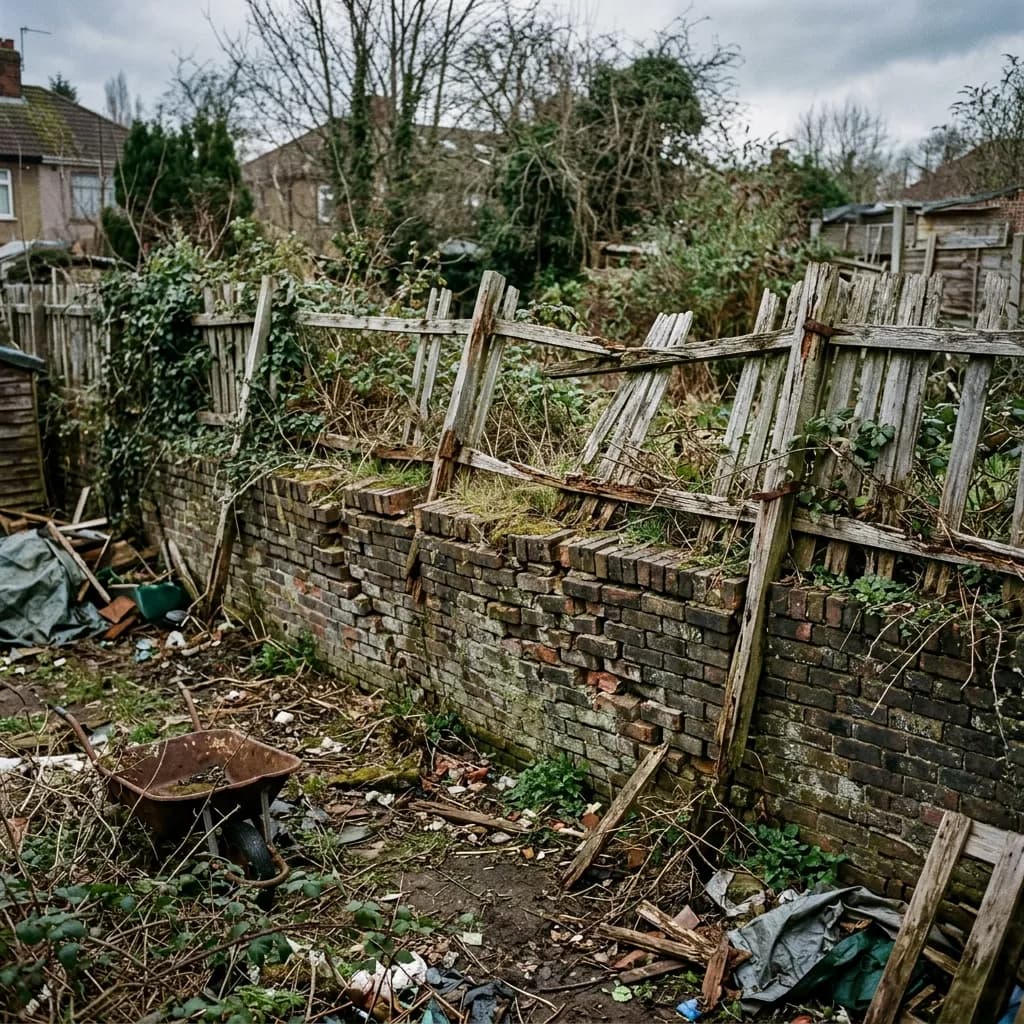
| Old fence has simply worn out | Half each | The default case. Sufficient fence, split equally |
| You want a taller or better fence | Half each up to sufficient, you pay the rest | Get both quoted so the difference is documented |
| Neighbour damaged the fence | Generally the person who caused it | Photograph it before anything is touched |
| A tree on their land brought it down | Depends on the circumstances | This is where advice is genuinely worth paying for |
| You are subdividing or developing | Usually the developer | The fence is part of your works, not a shared renewal |
| Fence damaged in a storm | Half each, or an insurer | Check both home policies before serving notice |
| Neighbour is a rental property | The owner, not the tenant | Serve the notice on the owner via the agent |
| Fence borders council land or a reserve | Varies by council | Some councils contribute, many do not. Ask early |
General information for Victorian property owners, current at the date of last review. It is not legal advice and it does not cover every situation. Rules vary between councils and the legislation changes, so confirm the detail with your council or a lawyer before you rely on it for a dispute.
From first conversation to fence built
 1
Talk to them first
Most of this is avoidable. Knock on the door, say the fence needs doing, and ask what they think. A notice served cold reads as an attack; a notice served after a conversation reads as paperwork.
 2
Get a written quote
You cannot state a cost in a notice you do not have. Get an itemised quote for a sufficient fence, and a second one if you want an upgrade, so the difference between the two is visible.
 3
Serve the fencing notice
A written notice to the adjoining owner setting out the proposed works, the type of fence, and the estimated cost. Keep proof of how and when you served it. We prepare these alongside our quotes.
 4
Wait 30 days
They can agree, propose something different, or say nothing. If they propose an alternative, the two of you try to reach agreement. If they say nothing within 30 days, you can generally proceed.
 5
Build, then recover their share
Build the fence and seek their half. If they will not pay, the Magistrates' Court can determine liability. Keep the notice, the quotes and the invoice; that paperwork is the whole case.
Four things that resolve these faster
We have quoted a lot of fences where the neighbour was the hard part. These are the things that consistently make the difference, and none of them involve a lawyer.
Building first and asking afterwards
If you build without serving a fencing notice, recovering your neighbour's half becomes much harder. Serve the notice before anything is ordered, even when you are confident they will agree.
Quote sufficient and preferred separately
If you want Colorbond and they want pine, a single quote looks like you are asking them to fund your upgrade. Two quotes show exactly what they owe and exactly what you are covering yourself.
Put everything in writing, kindly
Friendly and written are not opposites. A short, polite letter with a quote attached is the document that matters if this ever goes further, and it costs nothing to be pleasant in it.
Document the condition first
Photograph the fence before anyone touches it, from both sides if you can. Disputes about whether a fence actually needed replacing are common and almost always decided on evidence.
Use the Dispute Settlement Centre
The Dispute Settlement Centre of Victoria offers free mediation on fencing disputes. It resolves a great many of these without a court, and it is far quicker than the alternative.
We can handle the fence itself
We build dividing fences across Melbourne
Bayside
Known for Bayside, Glen Eira and Port Phillip councils.
Fence dispute questions
The questions Victorian owners ask most, in the order they usually come up.
Ask us about your boundaryFor a dividing fence between two properties, generally yes. The Fences Act 1968 (Vic) provides that adjoining owners are equally liable for a sufficient dividing fence. Liability is for a sufficient fence, not for whatever fence you would prefer, so if you upgrade beyond that you cover the difference.
Related guides
Council Fence Rules Melbourne
When you need a permit, and the height limits that apply before you do.
Read more ComplianceFence Height Rules in Victoria
How tall you can build at the front, side and rear.
Read more GuideStorm Damage and Insurance
When an insurer pays rather than your neighbour.
Read more GuideBody Corporate Fence Repair
Who is responsible when the fence belongs to an owners corporation.
Read more
Need a quote to attach to your notice
We will measure and give you an itemised written quote you can serve with a fencing notice, and a second one if you want an upgrade priced separately. Free.