Council Fence Rules
in Melbourne
Most fences need no permit at all. This is how to work out in ten minutes whether yours is one of them, and what to do if it is not.
Does your fence need a council permit?
For most Melbourne properties, no. A standard boundary fence on a side or rear boundary, at the usual 1.8 metre height, on a block with no overlays and no covenant, generally does not require a planning permit.
Permits become likely in four situations: the fence is taller than the limit for that boundary, the property sits in a heritage or design overlay, the fence faces the street in an area with frontage controls, or the block is on a corner where sightlines matter.
The thing to understand is that "council rules" is really three separate sets of rules stacked on top of each other. Planning provisions set the heights and permit triggers. A private covenant on your title can restrict things independently, and council has no say in that. And the Fences Act governs who pays, which is a different question entirely.
Checking is genuinely quick. Your council's planning department will tell you the position for an address over the phone, and the state planning maps show overlays online. Ten minutes there is worth more than any general article, this one included.
When a permit is usually required
General positions for residential property in metropolitan Melbourne. Councils apply these differently, so treat the last column as the action, not the first as the answer.
| Situation | Permit usually needed? | What to do |
|---|---|---|
| 1.8m fence, side or rear, no overlay | No | Proceed. Serve a fencing notice if it is shared |
| Fence over about 2m | Yes | Apply, and expect to justify the height |
| Street frontage over about 1.2m | Usually | Check frontage controls for your street |
| Any fence in a heritage overlay | Often, even at standard heights | Call the council before choosing a material |
| Corner block near the intersection | Often, for the splay area | Ask about sightline requirements |
| Property with a registered covenant | Council permit may not be the issue | The covenant binds you regardless. Check the title |
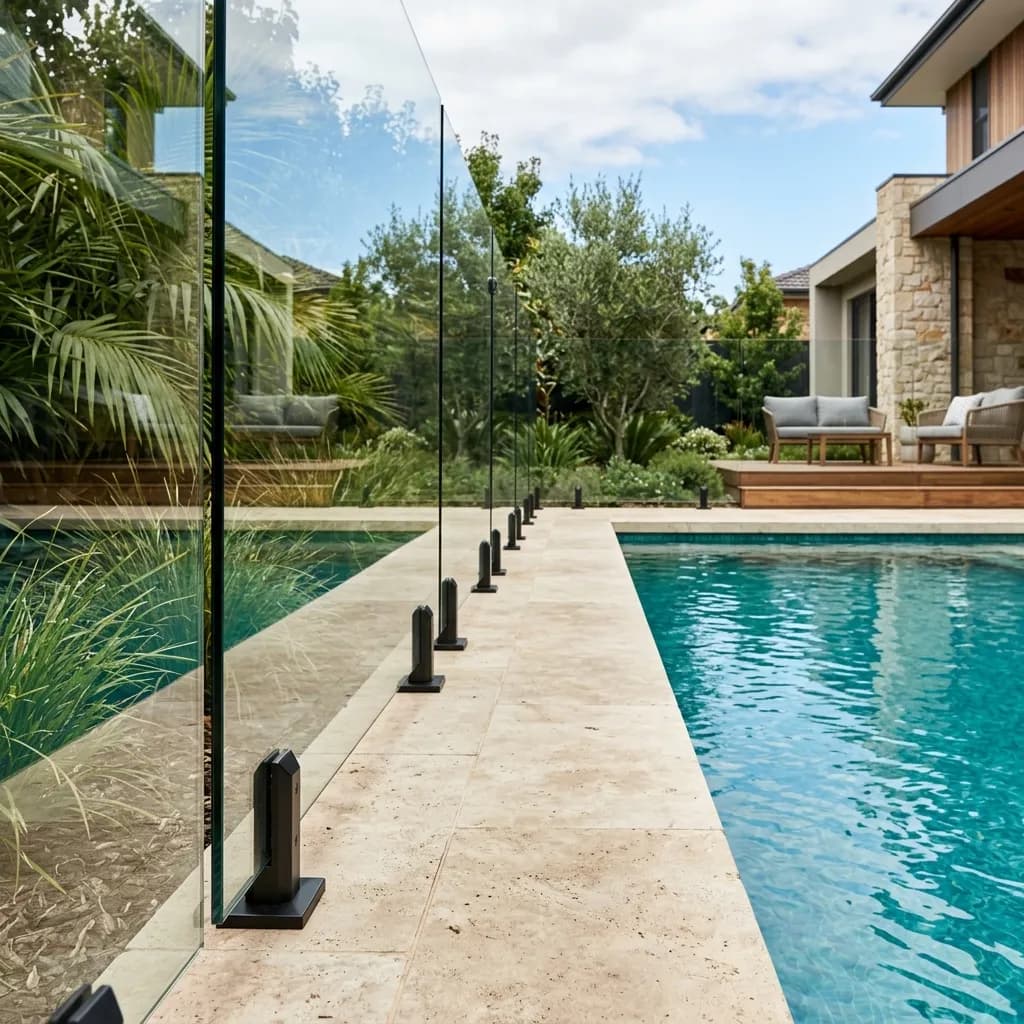
| Pool barrier | Separate regime | AS 1926.1 and pool registration apply instead |
| Fence on a boundary with a laneway or reserve | Varies | Council specific. Ask before ordering |
General information for Victorian property owners, current at the date of last review. It is not legal advice and it does not cover every situation. Rules vary between councils and the legislation changes, so confirm the detail with your council or a lawyer before you rely on it for a dispute.
Ten minutes that can save a rebuild
 1
Find your overlays
Search your address on the Victorian Government planning maps. It shows the zone and any overlays. Heritage, design and development, and neighbourhood character overlays are the ones that matter for fences.
 2
Check your title for covenants
A covenant is a private restriction registered on the title, common in newer estates. It can restrict height, material and colour, and council cannot waive it. Your title documents or conveyancer will tell you.
 3
Call the council planning line
Give them the address, the boundary and the height you want. They will tell you whether a permit is needed. This is the single most useful step and almost nobody does it first.
 4
Serve the fencing notice
Separate from the permit question. If it is a dividing fence, the Fences Act process for notifying your neighbour and sharing the cost runs in parallel.
 5
Apply, only if you need to
Where a permit is required, allow several weeks and longer if the application is advertised. Do not order materials against an unapproved application.
Four things that catch people out
Between them these account for most of the fences we are asked to modify or remove after the fact.
One phone call beats any article on this
Council planning departments answer this question for free, for your specific address, in about ten minutes. No general guide can be as accurate as that call, and this page is not trying to be.
Covenants are invisible to council
A council can tell you a fence needs no permit and you can still be in breach of a covenant on your own title. They are separate systems. In newer estates, check the title first.
Heritage controls appearance, not just height
In a heritage overlay the material and style of a street-facing fence are often controlled as tightly as the height. A compliant-height Colorbond front fence can still be refused.
The neighbour's fence proves nothing
A taller fence next door may predate the current controls, may hold a permit, or may simply never have been complained about. It is not a defence and it is not a precedent.
Confusing permits with the Fences Act
A permit is about whether you may build it. The Fences Act is about who pays for it. Getting a permit does not settle the cost split, and agreeing a cost split does not get you a permit.
We handle the rules with the build
We work with every metro council
Bayside
Known for Bayside, Glen Eira and Port Phillip councils.
Council fence rule questions
What Melbourne owners ask before they start.
Ask us what applies at your addressUsually not for a standard boundary fence at the common heights on a block with no overlays or covenants. Permits become likely for taller fences, street frontages, heritage overlays and corner blocks. Confirm with your council for your address.
Related guides
Fence Height Rules in Victoria
The heights that apply at the front, side and rear.
Read more ComplianceNeighbour Fence Disputes
The separate question of who pays, and how notice works.
Read more ComplianceRegistering a Pool in Victoria
The separate regime that applies to pool barriers.
Read more ComparisonCompare Fence Types
Choosing a material that will pass in a heritage overlay.
Read more
We check the rules before we quote
Give us the address and the boundary and we will confirm the permit position before anyone talks about price. Free.