How to Fix
a Sagging Gate
A dropped gate is one of three problems, and the fix for each is different. Diagnosing it takes two minutes and stops you doing the wrong repair twice.
Three causes, and how to tell them apart
A gate carries its whole weight on two or three hinge points, and it swings, so it is the only part of a fence under constant moving load. When it drops, the cause is the post, the hinges or the frame, and you have to know which before you fix anything.
Close the gate and look at the gap along the latch side. If the gap is even and the gate still will not latch, the post has moved. If the gap is wider at the top than the bottom, the gate frame has racked out of square. If the gate sits low but stays square, the hinges have worn or pulled.
Check the hinge post the same way you check any post: push it. Gate posts fail more often than ordinary posts, because they carry the load and the constant movement, and a leaning gate post is the most common cause of the whole problem.
One important exception: a pool gate that no longer self-closes and self-latches from every position is a compliance failure, not a maintenance annoyance. Fix that immediately rather than putting it on a list.
What the symptom tells you
Match what your gate is doing to the row, then use the fix in the last column.
| Symptom | Likely cause | The fix that holds |
|---|---|---|
| Even gap, will not reach the latch | Hinge post has leaned | Re-set or replace the post. Nothing else lasts |
| Gap wider at the top than the bottom | Frame has racked out of square | Fit an anti-sag brace or cable across the frame |
| Gate sits low but is still square | Hinges worn, or screws pulled out | Heavier hinges, longer fixings into solid timber |
| Drags on the ground in winter only | Ground movement, or a swollen frame | Adjust clearance, check drainage at the post |
| Hinges rusted or seized | Wrong hardware for the exposure | Replace with galvanised or stainless |
| Timber gate has split at the joints | Frame is failing | Usually replace the gate. Repairs rarely hold |
| Pool gate does not self-close fully | Hinge tension lost | Replace the hinges. Urgent, not optional |
The diagnosis matters because the wrong fix fails quickly. Bracing a gate whose post has leaned does nothing at all, and it is the most common wasted repair on this job.
Fixing it so it stays fixed
 1
Diagnose before you touch it
Close the gate, look at the gap, push the hinge post. Two minutes here decides whether you need a brace, new hinges or a new post, and stops you doing the wrong one.
 2
Deal with the post first
If the post has moved, nothing else matters. Re-setting or replacing it in concrete is the only fix that holds. Bracing a gate on a leaning post is wasted work.
3Square the frame
A racked timber frame is pulled square with a diagonal brace or tension cable running from the top hinge corner down to the opposite bottom corner. Direction matters; the wrong diagonal makes it worse.
 4
Upgrade the hinges
Heavier hinges with longer fixings into solid timber, three hinges rather than two on a heavy gate. Galvanised or stainless if it is exposed. Most sagging gates were under-hinged from day one.
 5
Set the clearance and latch
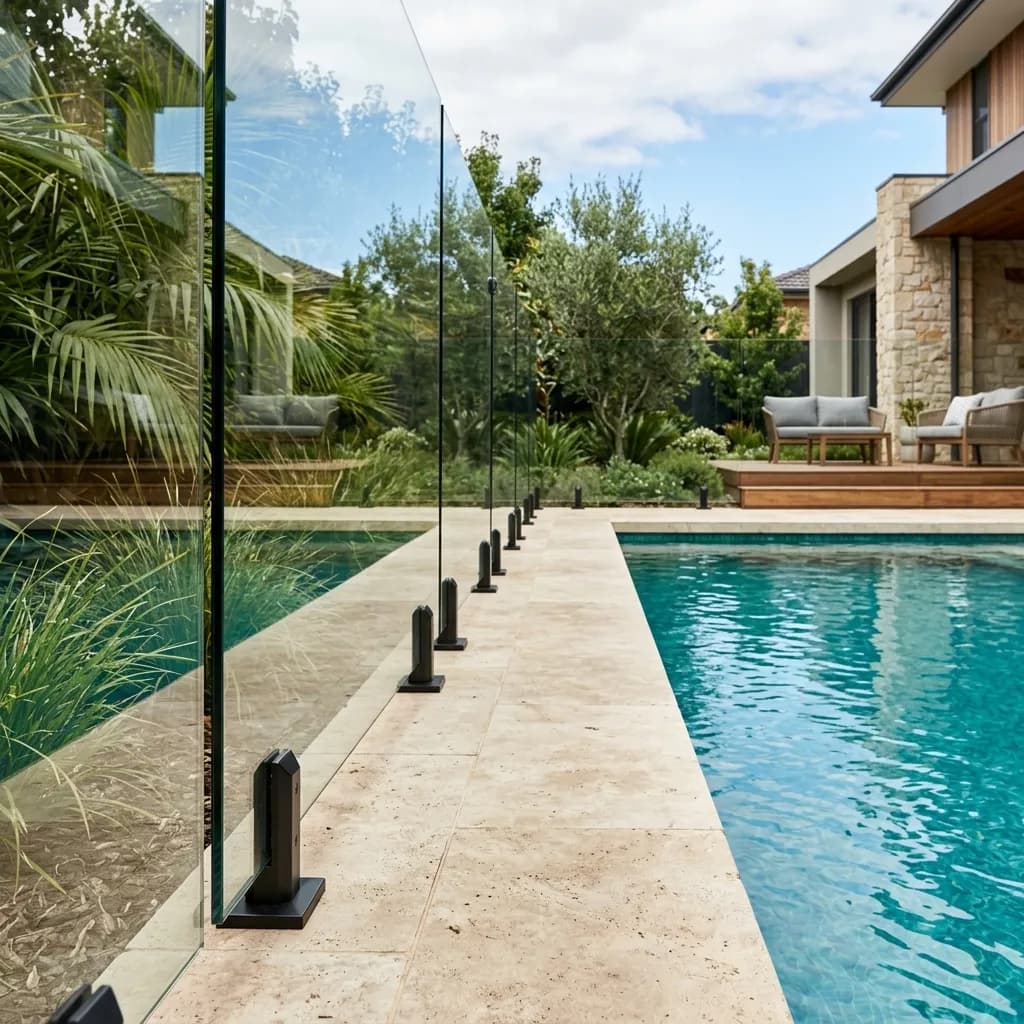
Leave enough clearance at the bottom for ground movement and swelling. On a pool gate, check it self-closes and self-latches from every position, including barely ajar.
Four things that decide whether the repair lasts
Gates are the part of a fence we get called back to most, almost always because the original build under-specified one of these.
Fix the post before you touch the gate
Most failed gate repairs are correct work done in the wrong order. If the post has moved, everything you do to the gate is temporary.
Gate posts are not fence posts
A gate post carries the gate weight plus the leverage of every swing. It needs to be larger and set deeper than the fence posts either side. If it was the same size, that is why it moved.
Two hinges is not enough
On anything heavier than a light pedestrian gate, three hinges spread the load and stop the top one tearing out. It costs almost nothing at build and prevents the most common failure.
Bracing the wrong way
A diagonal brace must run from the top hinge corner down to the bottom latch corner in compression, or top latch to bottom hinge in tension for a cable. The wrong diagonal accelerates the sag.
Pool gates are a different category
A pool gate that does not self-close and self-latch from every position fails compliance immediately. It is the single most common reason Victorian pools fail inspection.
Gate repairs across Melbourne
Bayside
Known for Bayside, Glen Eira and Port Phillip councils.
Sagging gate questions
What people ask when a gate stops closing properly.
Get the gate looked atOne of three things: the hinge post has leaned, the gate frame has racked out of square, or the hinges have worn or pulled out. Check the gap along the latch side and push the hinge post to tell which.
Related guides
Non-Climbable Zone Rules
The other half of what makes a pool barrier compliant.
Read more ComplianceRegistering a Pool in Victoria
Where a failed gate turns into a certification problem.
Read more GuideWhen to Replace a Fence
If the gate post has gone, check the rest of them.
Read more GuideRotting Fence Palings
The same moisture problem, further along the fence.
Read more
Gate dragging or not latching?
We diagnose the post, the frame and the hinges before quoting, so the repair holds rather than coming back in six months.