How High Can You Build
a Fence in Melbourne?
The heights that generally do not need a permit, the ones that do, and the four situations that override all of it. Check yours before you order anything.
The heights that usually apply
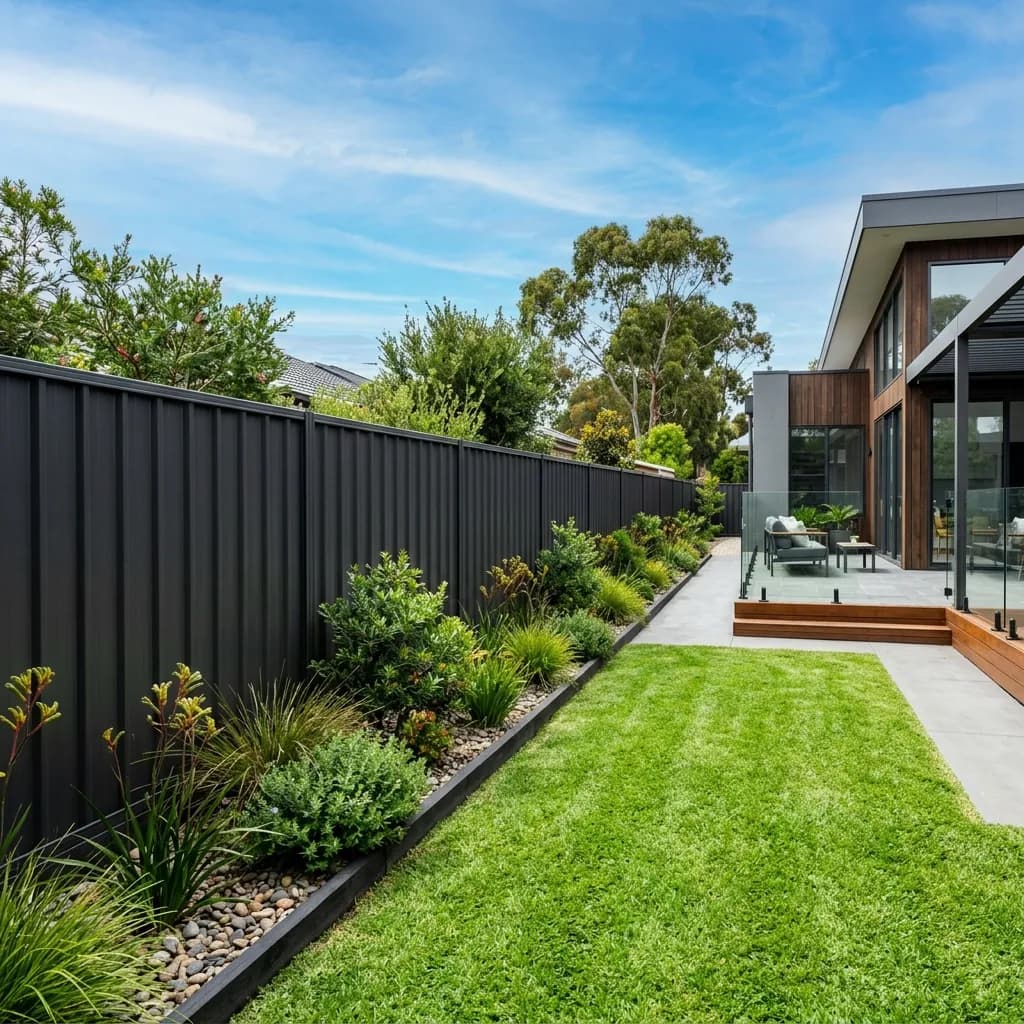
For a standard residential block in Melbourne, a fence on a side or rear boundary can commonly be built up to about 2 metres without a planning permit, and a fence on the street frontage is commonly limited to around 1.2 metres.
That is why 1.8 metres is the default height for boundary fencing across Melbourne. It sits comfortably under the side and rear limit, it gives genuine privacy, and it avoids the permit process entirely.
The complication is that these limits come from planning provisions that your council applies, and they are not identical everywhere. Heritage overlays, design and development overlays, estate covenants and corner blocks all change the answer, sometimes dramatically.
So treat the numbers above as the starting point rather than the rule. Before you commit to a height, check with your council for your specific address. It is a phone call, and it is considerably cheaper than rebuilding.
What you can generally build, where
General positions for a standard Melbourne residential block. Every row has exceptions, which is what the last column is for.
| Boundary | Common limit | Permit usually needed above | What changes it |
|---|---|---|---|
| Rear boundary | About 2m | About 2m | Overlays, covenants, abutting a laneway |
| Side boundary | About 2m | About 2m | Overlays, covenants |
| Street frontage | About 1.2m | About 1.2m | Heritage overlays are common here |
| Corner block, secondary street | About 1.2m near the corner | Varies | Sightline requirements at the intersection |
| Boundary with a laneway | Varies | Varies | Council specific, ask first |
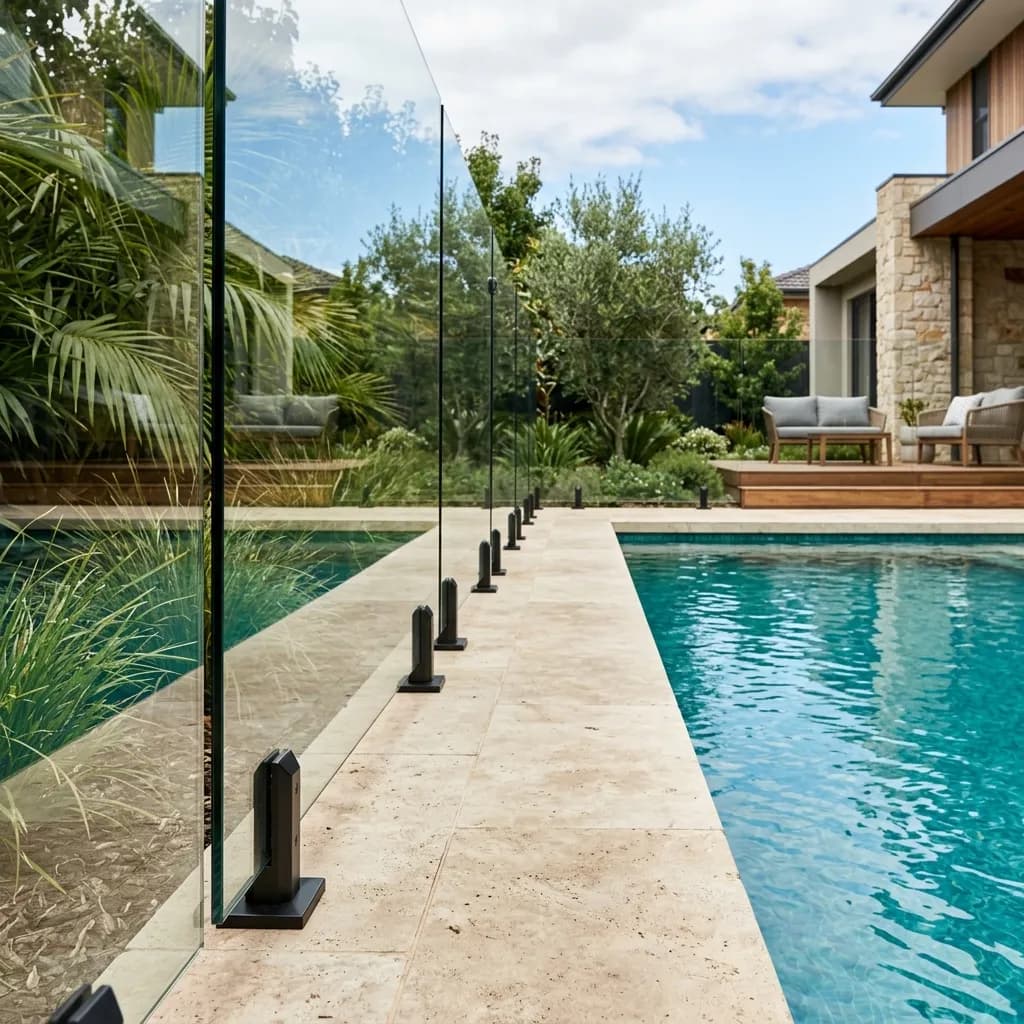
| Pool barrier | Minimum 1.2m, not a maximum | Not applicable | Set by AS 1926.1, a floor rather than a cap |
General information for Victorian property owners, current at the date of last review. It is not legal advice and it does not cover every situation. Rules vary between councils and the legislation changes, so confirm the detail with your council or a lawyer before you rely on it for a dispute.
What each height is for
Going taller is a bigger step than it looks. Taller fences need deeper footings and heavier posts, and they are far more likely to need a permit and engineering.
| Height | Notes |
|---|---|
| 1.2m | Typical street frontage height |
| 1.5m | Boundary fence without full privacy |
| 1.8m | The Melbourne default |
| 2.1m | Usually needs a permit, and often engineering |
A planning permit, where required, takes several weeks, so factor the time into your plans as well as any fee. Confirm the current application fee with your council.
Five things that override the general rules
Every one of these can change what you are allowed to build at your address, and all five are cheaper to check than to discover afterwards.
Heritage overlay
Common across the inner east and inner north. A heritage overlay can dictate both the height and the material of a street-facing fence, and it can rule out Colorbond at the frontage entirely.
Sloping ground
Height is measured from natural ground level, which shifts along a sloping boundary. A fence that is compliant at one end can exceed the limit at the other, which is why stepped fences are measured section by section.
Corner blocks
A fence near an intersection can obstruct sightlines for drivers. Councils commonly restrict height in the splay near the corner, regardless of what the general side-boundary limit says.
Estate covenants
Newer estates in the growth corridors frequently carry covenants on fence height, material and even colour. These are private restrictions and they are enforceable independently of council rules.
Retaining walls
Where a fence sits on top of a retaining wall, councils often measure the combined height. A 1.8m fence on a 600mm wall can be treated as a 2.4m structure, which changes the permit position.
Four height mistakes that cost real money
These come up repeatedly, and unlike most fencing mistakes the remedy is usually taking the fence down again.
On a slope, one fence has several heights
A stepped fence is measured section by section from natural ground level. The tallest section is the one that decides whether you need a permit.
Measuring from the wrong point
Height is measured from natural ground level, not from the top of a new garden bed, paving or fill. Landscaping first and fencing second is how people end up over the limit without realising.
Forgetting the retaining wall
Councils commonly treat a fence on a retaining wall as one structure. A compliant fence on a modest wall can become a structure that needs a permit, and nobody notices until a complaint is made.
Assuming a pool fence is capped
AS 1926.1 sets a minimum barrier height of 1.2m, not a maximum. A pool barrier still has to satisfy planning height limits if it sits on a boundary, so both sets of rules apply at once.
Relying on what the neighbour did
A tall fence next door is not evidence that yours is allowed. It may predate the current rules, it may have a permit, or it may simply never have been complained about.
We check the rules before we quote
We work with every metro council
Bayside
Known for Bayside, Glen Eira and Port Phillip councils.
Fence height questions
What Melbourne owners ask before committing to a height.
Ask us what applies at your addressOn a standard residential block, commonly up to about 2 metres on a side or rear boundary and about 1.2 metres on the street frontage. These come from planning provisions applied by your council, and overlays and covenants can change them, so confirm for your address.
Related guides
Council Fence Rules Melbourne
When you need a permit, and what councils actually assess.
Read more ComplianceNeighbour Fence Disputes
Who pays, and what a fencing notice has to say.
Read more ComplianceNon-Climbable Zone Rules
The pool barrier clearance requirement, which is a separate standard again.
Read more
We check the height rules before we quote
Tell us the address and which boundary, and we will confirm what you can build there before anyone talks about price. Free.