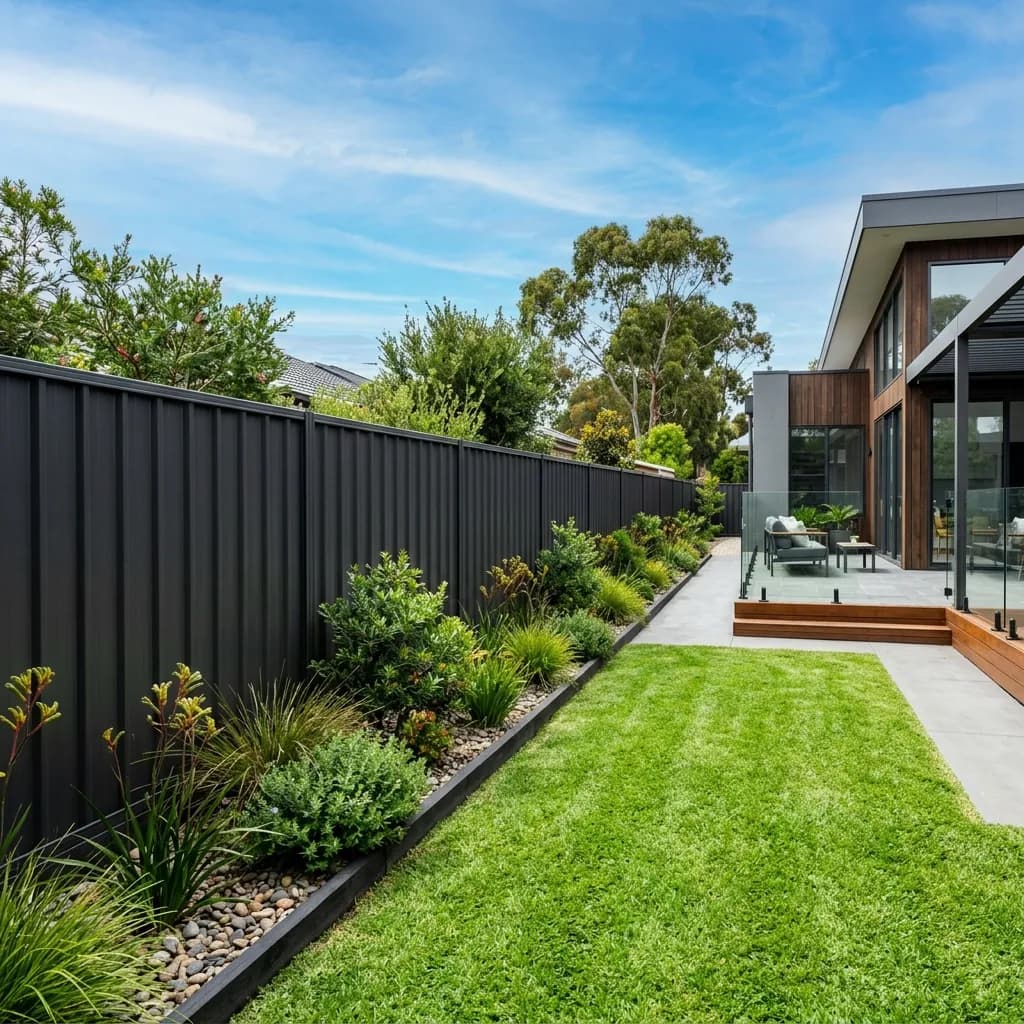
Colorbond vs Timber
Which should you build?
The two most common choices for a Melbourne boundary. Similar upfront, very different over twenty years. Here is the honest split, including where we would tell you to pick the other one.
Colorbond or timber, in one paragraph
Upfront they are closer than most people expect. Colorbond costs a little more installed than treated pine paling, but not dramatically. Pine is cheaper, though only modestly.
Over twenty years they separate completely. Colorbond needs nothing but an occasional hose down and will still be standing. Treated pine needs oiling every three to five years and is usually replaced somewhere between year fifteen and twenty. On total cost, Colorbond wins clearly.
Timber wins on the things that are not cost. It looks warmer, it can be stained to any colour, individual palings can be replaced when one splits, and on a period home a Colorbond fence can look plainly wrong. If the fence is visible from the street of a Federation or Victorian house, that matters more than the maths.
Our short version: Colorbond for rear and side boundaries, hardwood timber for anything you look at daily or that has to match a period streetscape. Treated pine when the budget is genuinely the constraint and you accept replacing it once.
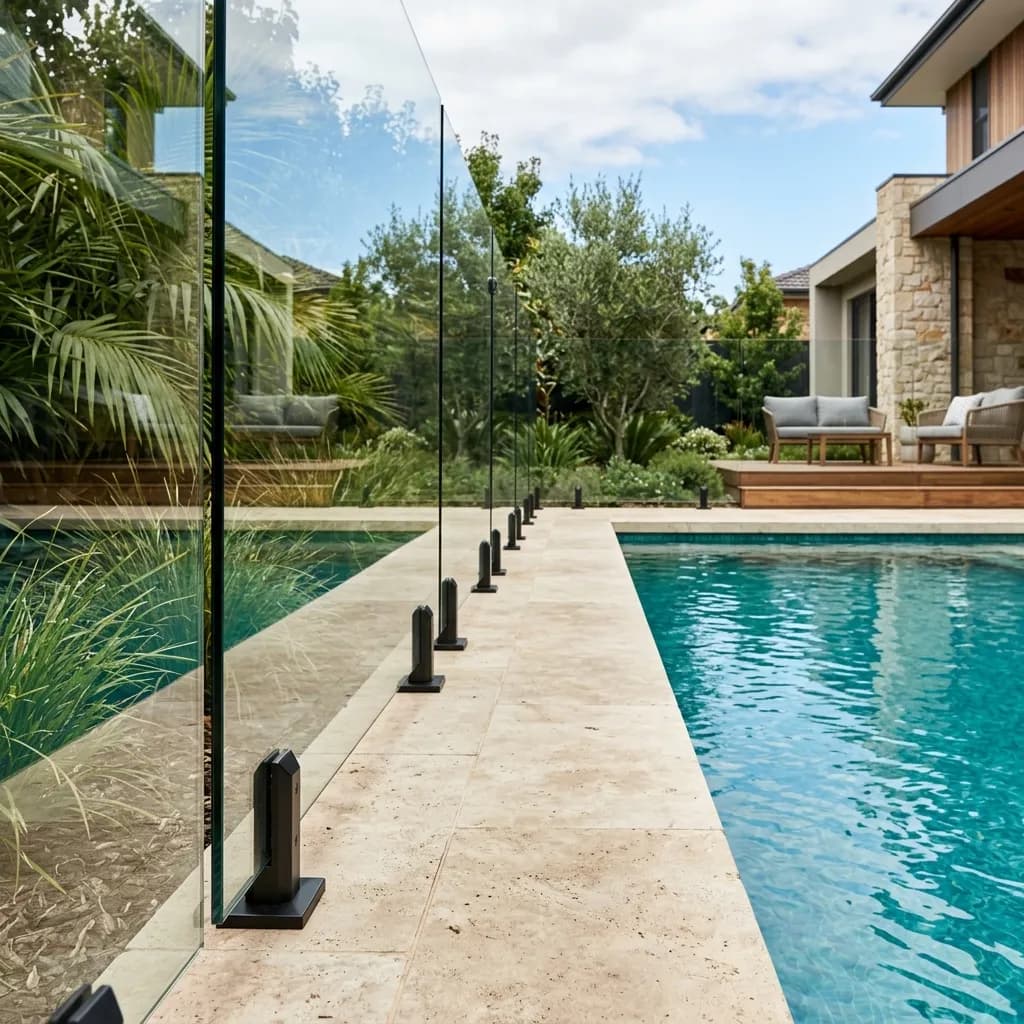
Colorbond vs timber, compared properly
The comparison that matters is not material against material, it is what each one gives you over the life of the fence.
| Colorbond | Treated pine | Hardwood | |
|---|---|---|---|
| Realistic lifespan | 20 – 25 years | 15 – 20 years | 25 – 30 years |
| Ongoing maintenance | None | Oil or stain every 3 – 5 years | Occasional oiling, or none |
| Replaced within 20 years? | No | Usually | No |
| Colour options | 15 standard, plus Metallic and Matt | Any stain or paint | Any stain, or leave to silver |
| Privacy | Total, no gaps at all | Good, small gaps as timber shrinks | Good, small gaps as timber shrinks |
| Noise reduction | Modest, and it can drum in wind | Modest | Better, mass helps |
| Repairing one damaged section | Panel replacement, colour may not match | Swap individual palings | Swap individual palings |
| Suits a period home | Rarely | Yes | Yes |
| Install time, 25m run | 1 – 2 days | 2 days | 2 – 3 days |
Figures assume flat, accessible ground and correct post depth. Reviewed September 2026.
Six things that should settle it
Most people choose on look or on price. In practice the decision is usually made by one of these six, and once you know which one applies to you it stops being a close call.
Can you see it?
A rear boundary behind a shed is a functional object, so build the one with the lower lifetime cost. A front or side fence you walk past daily is part of the house, and timber usually wins that argument.
How long will you own the house?
Colorbond only pays back its premium if you are there for the replacement cycle you avoided. If you are selling in three years, the cheaper install is the rational choice.
Is the house period?
On a Federation, Victorian or Edwardian home, Colorbond on a street boundary reads as wrong and can be blocked outright by a heritage overlay. Check before you fall in love with the price.
Does the ground slope?
Colorbond steps down a slope in visible increments because the panels are rectangular. Timber palings can be raked to follow the ground. On a noticeable fall, timber often looks considerably better.
Will you actually maintain it?
Treated pine costed over twenty years assumes you oil it every few years. Most people do it once. An unmaintained pine fence is closer to twelve years than twenty, which removes its cost advantage entirely.
What is next door?
A dividing fence is shared. Under the Fences Act your neighbour pays half of a sufficient fence, and if you want the upgrade you pay the difference. That often decides the material before anything else does.
Four mistakes we see on this decision
We install both, so we have no stake in which one you choose. These are the errors that actually cost people money, in rough order of how often we see them.
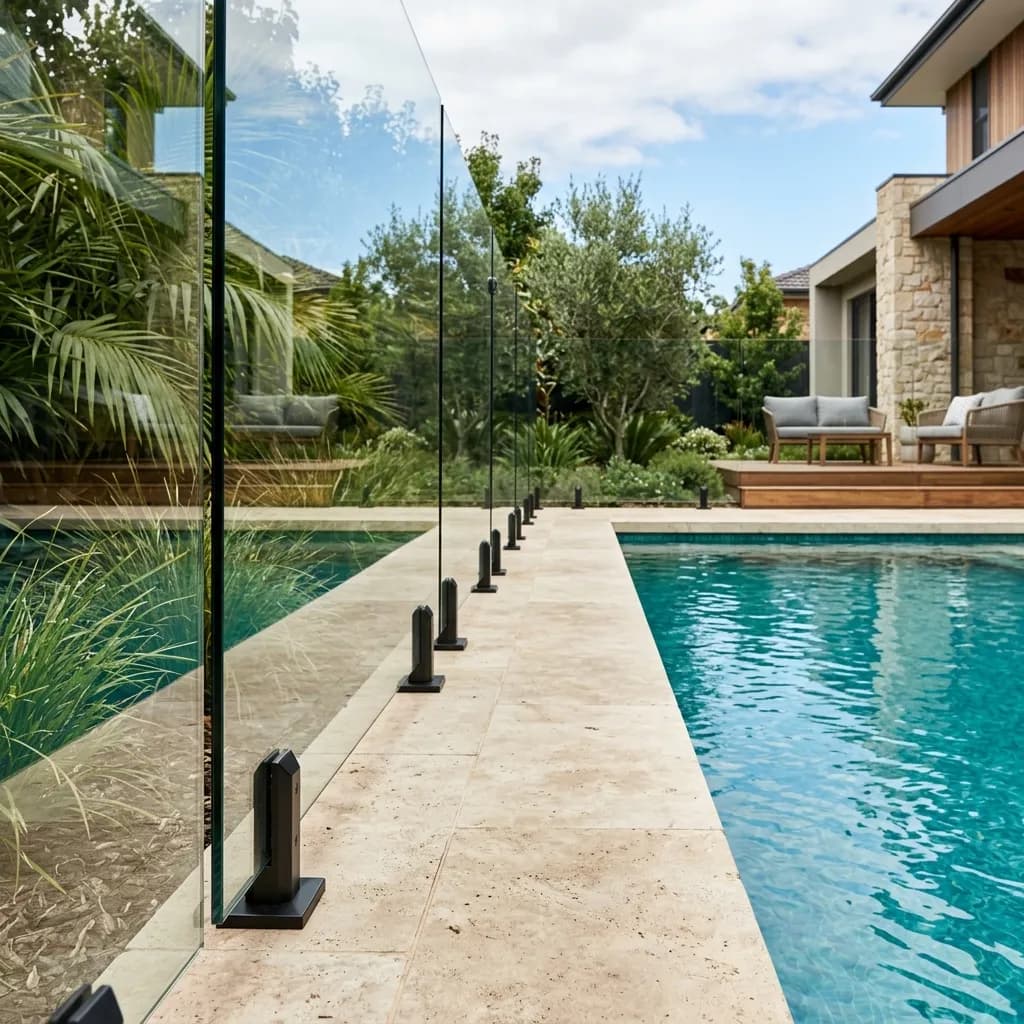
Either one fails at the posts first
Colorbond or timber, the fence leans because the footings were shallow or the posts were the wrong grade. Compare post depth across your quotes before you compare materials.
Comparing install prices
Pine looks a little cheaper upfront on a 25 metre run. Across twenty years it is roughly double. If you plan to stay, that is the comparison that matters.
Assuming timber is timber
A cheap timber quote often uses H3 posts, which are rated for above-ground use and rot at the soil line. That single substitution can halve the life of the fence and it is invisible once built.
Ignoring wind on Colorbond
On an exposed western or bayside block, standard post spacing lets Colorbond panels drum in wind. It is fixable at install with heavier posts closer together, and expensive to fix afterwards.
Skipping the neighbour
Building a dividing fence without written notice means you may not be able to recover their half, whichever material you chose. Serve notice before ordering anything.
People who had this exact decision
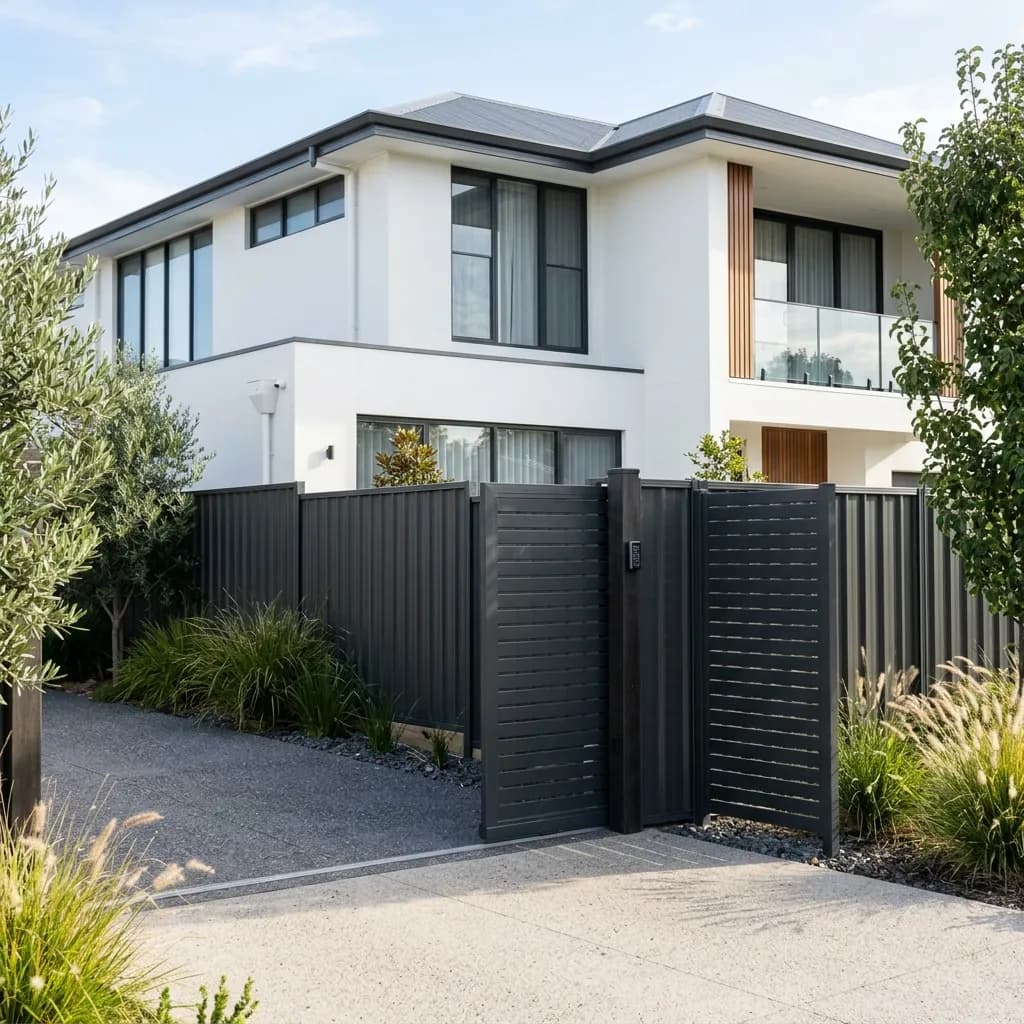
“We wanted Colorbond until they pointed out our place is in a heritage overlay. They quoted hardwood palings instead and it looks like it belongs there.”
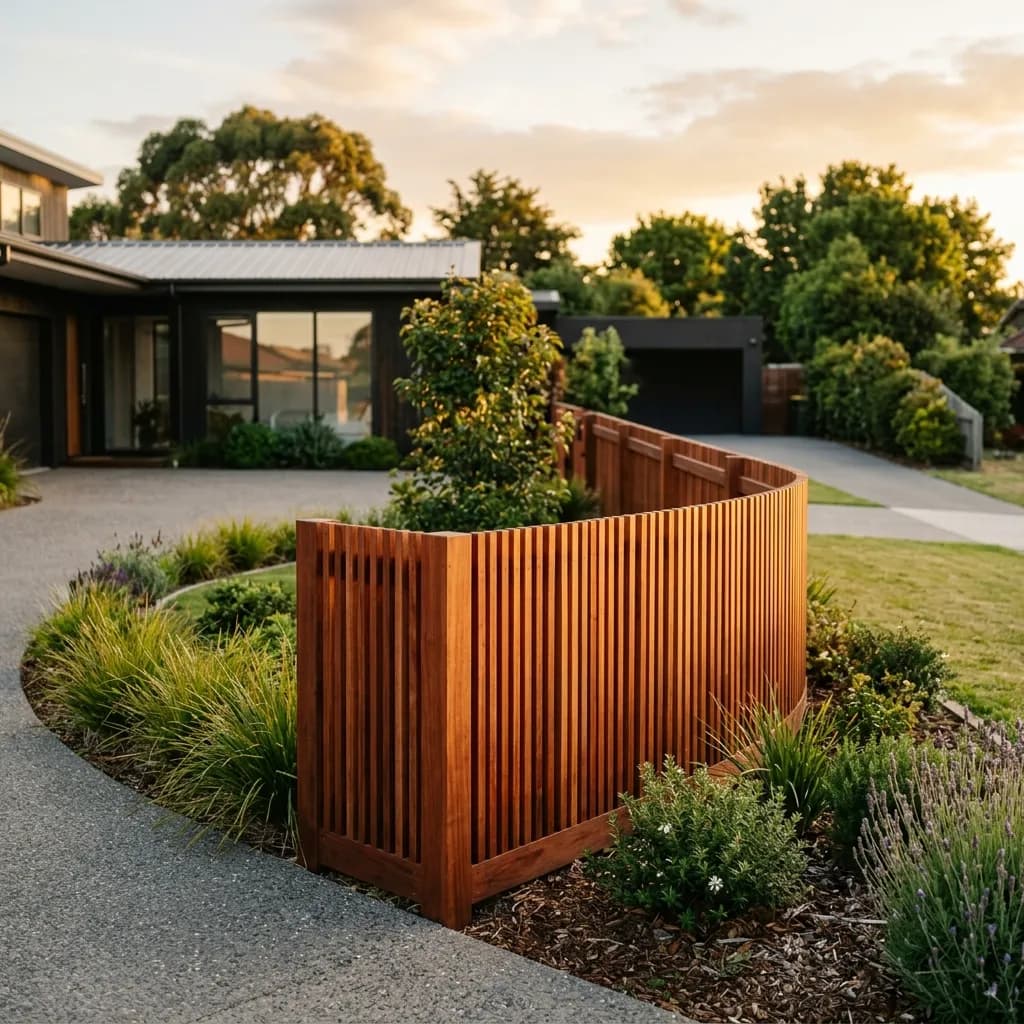
“They costed both over twenty years for us rather than just quoting. Colorbond for the back, timber for the side we actually see. Would not have thought of splitting it.”
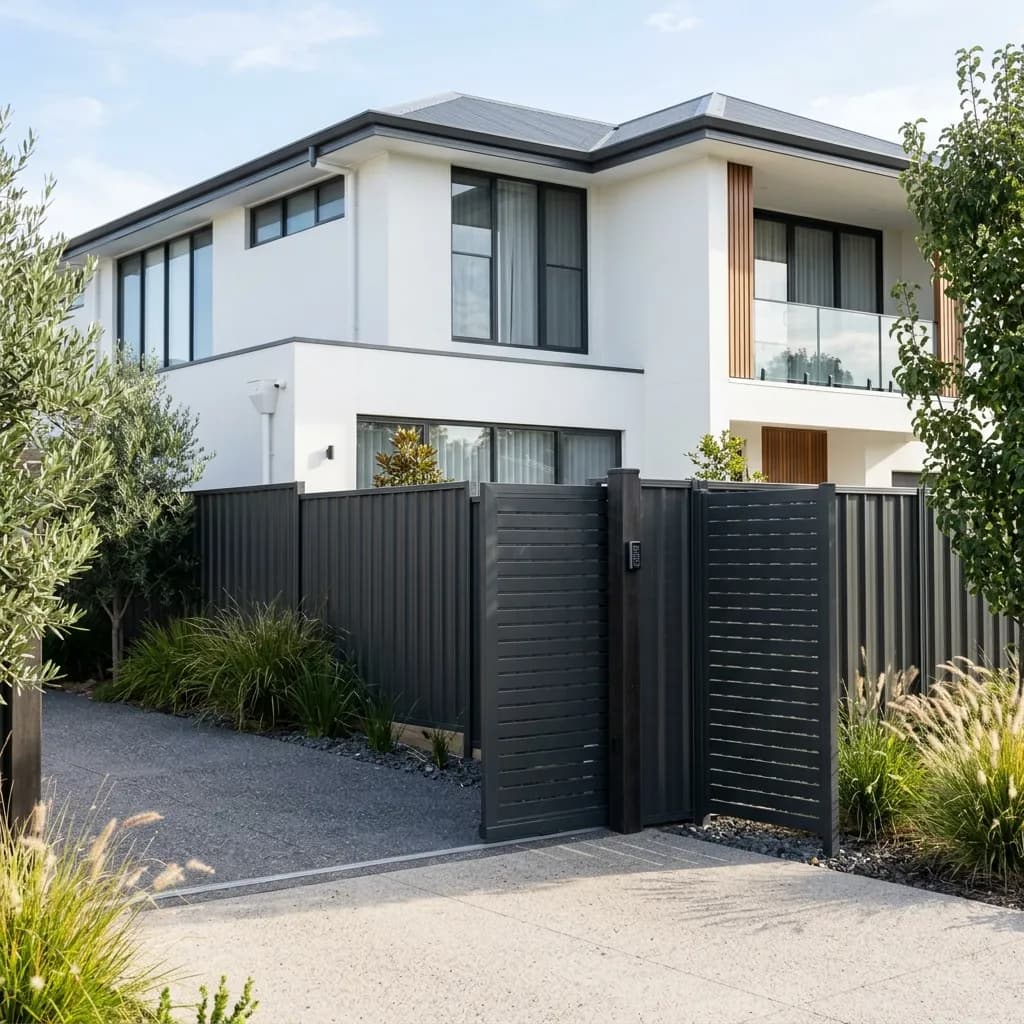
“Sloping block. They showed us how the Colorbond would step and we went timber instead. Glad we saw it before rather than after.”
We build both across Melbourne
Bayside
Known for salt exposure, which narrows the sensible options.
Colorbond vs timber questions
What people ask once they have narrowed it down to these two.
Ask us which suits your boundaryUpfront, no. Colorbond sits above treated pine and below hardwood. Over twenty years Colorbond is usually the cheapest of the three, because it needs no coating and does not get replaced.
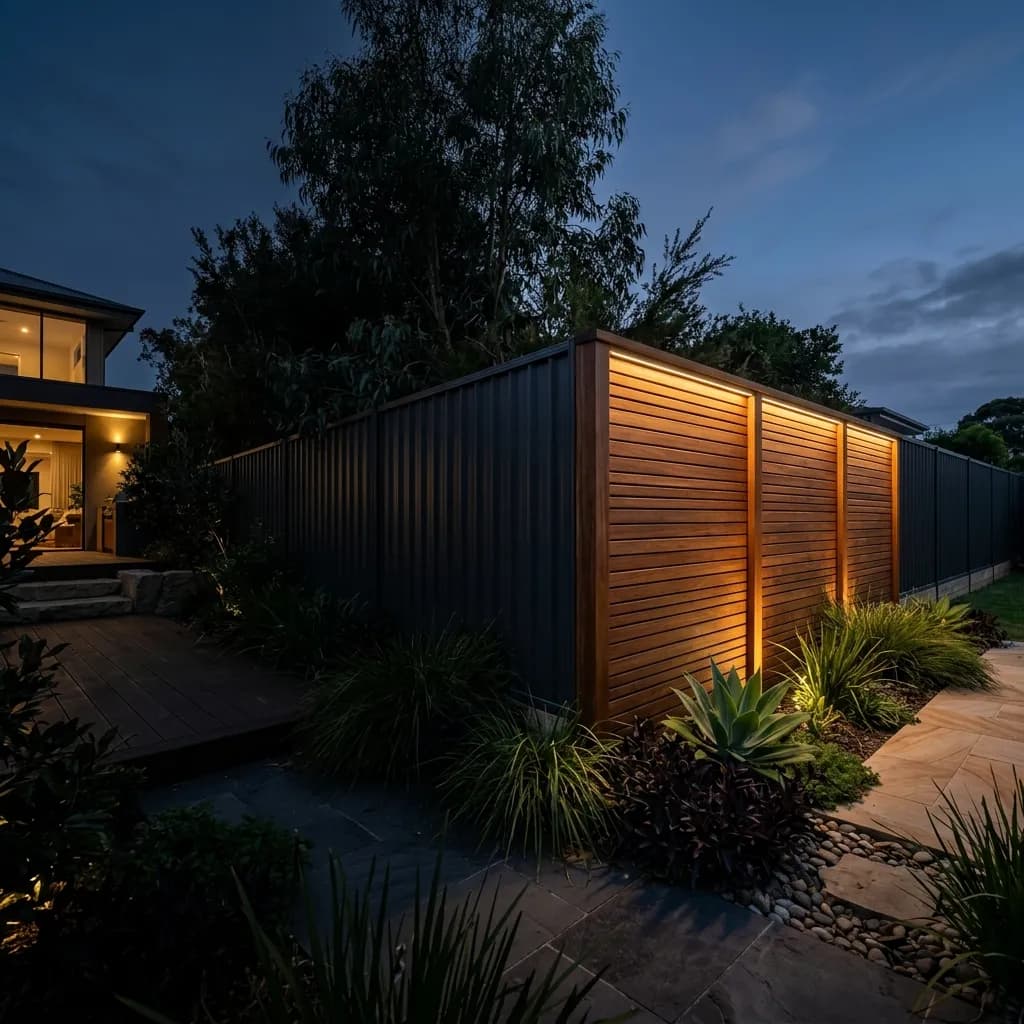
Get both quoted for your boundary
The fastest way to settle it is two real numbers for your actual fence. We will measure once and quote both, free.